The Artistic Journey of Amol Pawar

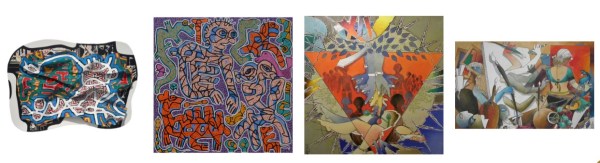
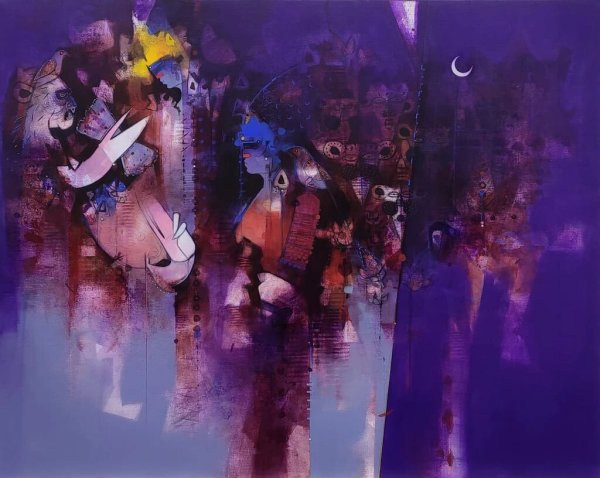
When you first encounter the vibrant canvases of Amol Pawar’s artwork, you might find yourself transported to a world where colour dances freely and forms merge in a symphony of abstract visions. What you’re witnessing isn’t just an explosion of hues and textures; it’s a reflection of Pawar’s unique life experiences and rich cultural background that seamlessly weaves into his creations. 

Born and raised in India, a land steeped in diversity and storytelling, Pawar’s early exposure to the local folk arts and classical traditions can be vividly seen in his art. His upbringing in a culturally vibrant environment provided him with a palette as varied as the many languages spoken around him. It’s this eclectic upbringing that shapes the distinctive aesthetics you see in his work today. 

How Roots Influence Realms 

What’s fascinating about Amol Pawar’s pieces is how they serve as a canvas for his personal and cultural narratives. Amol Pawar’s artwork, characterized by its dynamic forms and emotive colours, often draws upon his childhood memories and the traditional Indian motifs he grew up with. Each stroke tells a story, perhaps a remembrance or a dream, encapsulated within abstract shapes and bold lines. 

A significant element in his style is the use of traditional Indian colours and patterns, which are reinvented in a contemporary format. This blend of the old and new is not just visually appealing but also speaks to the dual identity many modern artists grapple with.  

The Role of Environment in Creative Expression 

The bustling streets, the chaotic harmony of daily life in India, and the quiet introspection that rural landscapes offer have all found their way into Amol Pawar’s artwork. For instance, the chaotic lines and vibrant splashes in some of his works mimic the relentless energy of urban India, while softer shades and fluid shapes echo the tranquillity of the countryside. It’s this juxtaposition that makes his art so relatable and yet, mystifying. 

Pawar’s environment acts as a muse, constantly feeding his imagination and urging him to explore new techniques and mediums. This responsiveness to his surroundings allows him to stay dynamic and unpredictable in his creative expressions.  

Beyond the Canvas: Global Appeal 

The global appeal of Amol Pawar’s creations lies in their universality. While deeply rooted in Indian culture, his art speaks a global language. It’s this universal appeal that catches the eye of an international audience, making his art not just a representation of Indian culture but a celebration of global diversity. 

In Conclusion 

As you delve deeper into the world of Amol Pawar’s artwork, you begin to appreciate not just the beauty of his art but the stories and traditions that paint his canvases. His work is a reminder of the power of our backgrounds in shaping our creative expressions and how art can transcend cultural boundaries to touch hearts universally. 

If you’re keen to explore more of Pawar’s intriguing pieces or wish to own a piece of this cultural tapestry, you might want to check out Eikowa. This platform not only showcases a diverse range of contemporary Indian art but also offers unique pieces by artists like Pawar, whose work continues to inspire and captivate art lovers around the globe. 

Also read: Discovering the Depths of Sachin Sagare’s Artistic Universe
How to Decorate Your Home with Vivek Kumavat’s Artwork

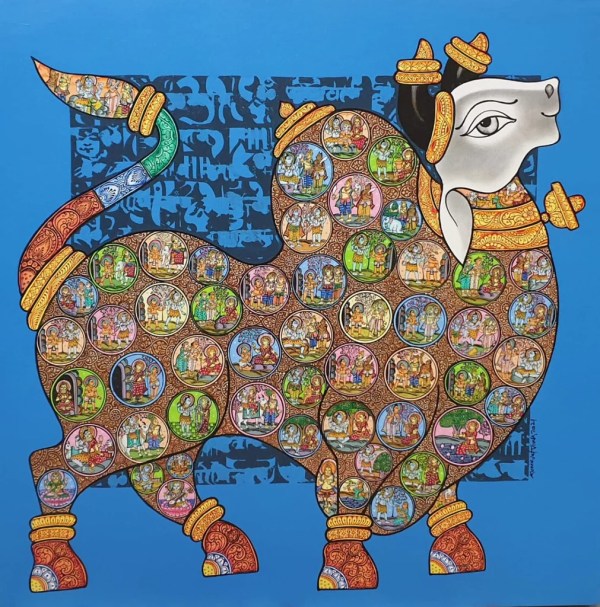
Transforming your living space into a gallery of modern elegance and cultural depth is simpler than you might think, especially when you’re considering the vibrant and soul-stirring Vivek Kumavat’s artwork. The artist’s unique style, which blends traditional motifs with contemporary flair, can elevate the aesthetics of any home. So, how do you go about incorporating these masterpieces into your decor? Let’s dive into some stylish tips and tricks. 

Let the Art Speak to You 

First things first, choosing the right piece. When it comes to selecting a creation by Kumawat, it’s all about the conversation between the art and the viewer. Each piece tells a story, be it through intricate details, the play of colours, or the emotions it evokes. Take your time to find a piece that not only complements your space but also resonates with you on a personal level. Remember, it’s not just about filling a blank wall—it’s about making that space a reflection of your tastes and experiences. 

Match Your Mood with Your Room 

Each room in your home serves a different purpose and, consequently, should evoke different feelings. Consider the ambience you want to create in each space. For instance, Vivek Kumavat’s artworks, known for their serene and calming qualities, could be perfect for bedrooms or reading nooks, creating a peaceful retreat. On the other hand, vibrant and dynamic pieces can inject energy into living rooms or dining areas, stimulating conversation and engagement. 

Size and Placement Are Key 

The impact of artwork significantly depends on its placement and size. A common mistake is hanging artwork too high or choosing a size that doesn’t fit the room’s scale. For large rooms or spaces with high ceilings, don’t shy away from larger pieces. They can become focal points and draw the eye. In smaller spaces, a series of smaller works can create an intriguing gallery wall. The centre of the artwork should be at eye level, creating an intimate connection with the viewer. 

Play with Lighting 

Good lighting can transform the appearance of Vivek Kumavat’s artwork, highlighting the depth of colour and detail in each piece. Consider using adjustable ceiling lights or wall-mounted fixtures to direct focus onto the artwork. Natural light also plays a crucial role, but be wary of direct sunlight, which can fade colours over time. The right lighting setup can turn a beautiful piece into a breathtaking one. 

Complement Your Decor 

Integrating Vivek Kumavat’s artwork into your home decor involves more than just hanging a painting on a wall. It’s about creating a cohesive look that enhances both the art and the room. Use colours from the artwork as inspiration for accent pieces, like throw pillows, rugs, or decorative objects. This doesn’t mean everything has to match perfectly—contrast can be just as effective in tying a room together. 

Conclusion 

Decorating your home with the stunning works of Vivek Kumavat is an opportunity to infuse your living spaces with beauty, culture, and personal expression. It’s about creating an environment that not only looks good but feels uniquely yours. When you’re ready to find the perfect piece to start or add to your collection, Eikowa is your go-to destination. With a curated selection of the finest contemporary art, including the exceptional works of Kumavat, Eikowa makes it easy to bring the beauty of art into your home. Start your journey today, and let your walls tell your story.

Also read: K.G. Subramanyan and the Art of Storytelling Through Paintings

The Evolution of Indian Artwork: A Journey Through Time

From ancient cave paintings to modern abstract masterpieces, the journey of Indian artwork is as colourful and diverse as the country itself. So, grab a cup of chai and let’s embark on this fascinating voyage through time, exploring how Indian artistry has shaped and been shaped by the myriad cultural, social, and historical influences that make India truly unique. 

The Ancient Beginnings 

Our story begins in the dimly lit caves of Bhimbetka, where the earliest expressions of human creativity in India were discovered. These aren’t just random scribbles; they’re sophisticated depictions of daily life, animals, and rituals dating back to the Stone Age. This era laid the foundation for the rich visual language that characterizes art from this region. 

The Classical Flourish 

As we move into the classical period of Indian artwork, we witness a remarkable transformation. Sculpture and architecture took centre stage, with the intricate temples of Khajuraho and the majestic Buddhist stupas at Sanchi showcasing the unparalleled craftsmanship of the time. These structures were not just places of worship but also canvases for depicting the divine and the everyday, illustrating stories from India’s vast mythology and rich cultural traditions. 

The Mughal Influence 

Fast forward to the medieval era, and we enter the opulent world of Mughal art. This period introduced a fusion of Persian and Indian elements, bringing forth a renaissance in painting and architecture. The delicate miniatures and grandiose forts and palaces from this era reflect a blend of sophistication and majesty.  

Conclusion 

The journey of Indian artwork from ancient caves to contemporary galleries is a testament to the enduring spirit and creativity of its people. Each era, with its distinct styles and themes, weaves a part of the larger story of India’s cultural and artistic evolution. As we admire these works, we’re not just looking at colours and forms but at the very soul of India, captured and expressed through the ages. 

For those looking to delve deeper into the world of Indian creativity, “Eikowa” offers a curated selection of pieces from across the spectrum. Whether you’re a seasoned collector or a curious newbie, their collection is a gateway to exploring the rich legacy and dynamic future of Indian artistry. 

So, there you have it—a whirlwind tour through the ages, celebrating the unbreakable thread of creativity that runs through the heart of India. The evolution of this region’s artwork is a story of resilience, innovation, and beauty, reminding us that art is not just about what we see on the surface but the stories and spirits that it carries within. Cheers to the continued journey of Indian artwork, an endless source of inspiration and wonder for us all. 

Also read: Delving into the Legacy of M.F. Husain Art

Blog at WordPress.com.

Up ↑

Design a site like this with WordPress.com
Get started