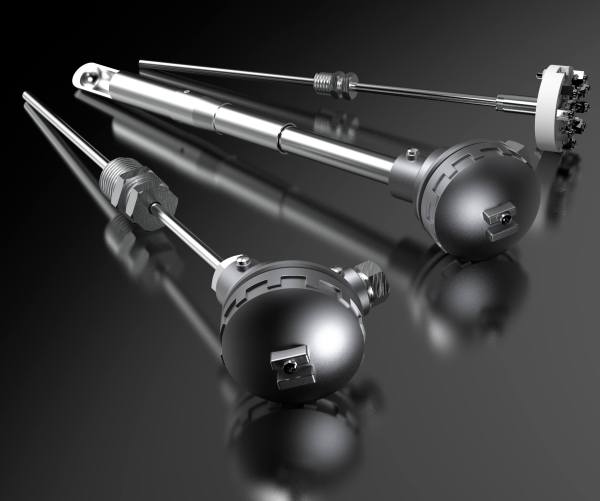
Why Tempsens Stands Out Among Thermocouple Suppliers: A Deep Dive

In the critical field of temperature measurement, the role of thermocouple suppliers cannot be overstated. These suppliers are the backbone of a chain that ensures industries ranging from manufacturing to aerospace maintain precise temperature control. Amidst a sea of competitors, Tempsens emerges as a distinguished leader, setting a benchmark for what excellence looks like in this domain. Let’s delve into the reasons why Tempsens distinguishes itself from other thermocouple suppliers.

Commitment to Precision

At Tempsens, precision is not just a goal; it’s a fundamental principle. Understanding the pivotal role thermocouples play in various applications, we ensure that every product surpasses industry standards for accuracy. This relentless pursuit of precision makes us a preferred choice among thermocouple suppliers, particularly in sectors where even a minor temperature discrepancy can lead to significant consequences.

Innovation at Its Core

What truly sets us apart is its commitment to innovation. Unlike other thermocouple suppliers who may be content with the circumstances, Tempsens continuously pushes the envelope, integrating cutting-edge technologies and materials into their products. This forward-thinking approach not only enhances the functionality and longevity of their thermocouples but also positions us as a pioneer in the industry.

Customized Solutions

Recognizing that one size does not fit all, Tempsens excels in providing customized solutions that cater to the unique needs of their clients. Their willingness to adapt and design thermocouples that meet specific requirements is a testament to their customer-centric approach. This flexibility is a rare trait among thermocouple suppliers and underscores our dedication to client satisfaction.
Exceptional Customer Service

Tempsens’s commitment to excellence extends beyond its products. Their customer service is exemplary, offering support and guidance that is as reliable as their thermocouples. This exceptional after-sales support ensures that clients not only receive a product that meets their needs but also the knowledge and assistance to maximize its utility.

Global Reach, Ethical Practices

Tempsens is not just a leader locally but has established itself as a reputable name globally. Their ethical practices, coupled with a commitment to sustainability, resonate with businesses worldwide, making them a preferred partner among international clients.

In conclusion, our distinction as a leader among thermocouple suppliers is a result of its unwavering commitment to precision, innovation, customization, customer service, and ethical practices. These pillars form the foundation of our success, setting a high standard for others in the industry and ensuring that their clients receive nothing but the best.
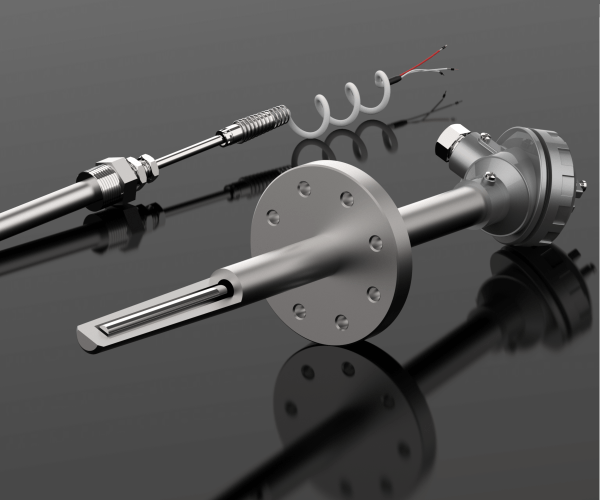
Factors to Consider When Choosing a Resistance Temperature Detector Supplier

Selecting the right resistance temperature detector supplier (RTD) is crucial to ensure accurate and reliable temperature measurements in industrial processes.

Here are some key factors to consider when choosing a supplier:

1. Quality Standards and Certifications:

  • Look for suppliers who adhere to strict quality control measures and possess relevant certifications such as ISO 9001.
  • Quality standards ensure that the RTDs are manufactured to meet industry requirements and provide accurate temperature readings.

2. Product Range and Availability:

  • Evaluate the supplier’s product portfolio to ensure they offer a wide range of RTDs suitable for your specific application and temperature range.
  • Check if they have adequate stock availability and quick turnaround times for delivery.

3. Customization Capabilities:

  • Consider whether the supplier can accommodate customization requests to meet your unique application requirements.
  • Customization options may include probe length, sheath material, connection types, and temperature ranges.

4. Technical Support and Expertise:

  • Assess the supplier’s technical support capabilities. Prompt and knowledgeable assistance is crucial for proper installation, calibration, and troubleshooting.
  • Look for suppliers with experienced engineers who can provide guidance and recommendations based on your specific temperature sensing needs.

5. Long-Term Reliability and Service:

  • Evaluate the supplier’s reputation and longevity in the industry. A trusted and established supplier is more likely to provide consistent quality and reliable customer service.
  • Consider their after-sales support, warranty terms, and availability of spare parts for future maintenance or replacements.

6. Pricing and Cost-Effectiveness:

  • Compare pricing from different suppliers, but keep in mind that quality and reliability should not be compromised for cost savings.
  • Look for suppliers who offer competitive pricing without compromising on product quality and performance.

7. Industry Experience and References:

  • Research the resistance temperature detector supplier’s industry experience and track record. Look for customer reviews, testimonials, or references to gauge their reputation and customer satisfaction.

8. Collaborative Partnership:

  • Consider the willingness of resistance temperature detector supplier’s willingness to establish a long-term partnership and provide ongoing support.
  • A supplier who understands your unique requirements and is responsive to your needs can contribute to the success of your projects.

By considering these key factors when selecting a resistance temperature detector supplier, you can make an informed decision that ensures reliable temperature measurements, product quality, and long-term support for your industrial processes.

Design, Develop, Deliver: A Deep Dive into the Product Development Lifecycle

In today’s fast-paced and competitive business landscape, successful companies understand the importance of a well-structured and efficient product development lifecycle. From ideation to market launch, the product development lifecycle encompasses the entire process of bringing a new product or service to fruition. By following a systematic approach and integrating design, development, and delivery phases, businesses can increase their chances of creating innovative and successful offerings.

The product development lifecycle begins with the design phase, where ideas are conceived, concepts are explored, and initial plans are formulated. This phase involves conducting market research, identifying customer needs, and defining the product’s unique value proposition. Designers and product managers collaborate to create prototypes, wireframes, and mock-ups to visualize the product’s features and functionality. User feedback and iterative design cycles play a crucial role in refining the product’s design and ensuring that it aligns with user expectations.

Once the design phase is complete, the development phase begins. This is where the product’s technical aspects come to life. Engineers, developers, and cross-functional teams collaborate to build the product, translating the design concepts into functional and scalable solutions. This phase involves coding, testing, and quality assurance to ensure that the product meets the desired specifications and performs optimally. Agile development methodologies, such as Scrum or Kanban, are often employed to facilitate collaboration, flexibility, and continuous improvement throughout the development process.

The final phase of the product development lifecycle is the delivery phase. This is when the product is prepared for launch and introduced to the market. Marketing strategies are developed, sales channels are established, and promotional activities are undertaken to generate awareness and demand. The product is launched, and customer feedback is gathered to assess its reception and identify areas for further refinement. Post-launch support and updates are provided to address any issues or enhancements that arise.

The product development lifecycle is not a linear process but rather a continuous cycle of improvement and innovation. At each phase, it is essential to gather feedback, analyze data, and make informed decisions to guide the next steps. Effective communication and collaboration between different teams and stakeholders are crucial to ensure a smooth flow throughout the lifecycle.

Throughout the entire product development lifecycle, customer-centricity should remain at the forefront. Understanding the target audience, their pain points, and preferences is vital for creating a product that meets their needs. User research, usability testing, and customer validation play integral roles in shaping the product and validating its value proposition. By continuously engaging with customers and adapting to their feedback, businesses can iterate and enhance their offerings, thereby increasing the chances of market success.

It is worth noting that the product development lifecycle is not a one-size-fits-all approach. Different industries, products, and organizations may have variations in their processes, depending on factors such as complexity, market dynamics, and company culture. Flexibility and adaptability are key to tailoring the lifecycle to suit specific contexts and requirements.

In conclusion, the product development lifecycle encompasses the journey from design to development and delivery. By following a structured approach, businesses can increase their chances of creating innovative and successful products or services. Integrating design thinking, agile development methodologies, and customer feedback throughout the lifecycle ensures that the end result meets user needs and aligns with market demand. Embracing a holistic and iterative approach, companies can drive continuous improvement, foster innovation, and stay ahead in today’s dynamic business landscape.

Blog at WordPress.com.

Up ↑

Design a site like this with WordPress.com
Get started