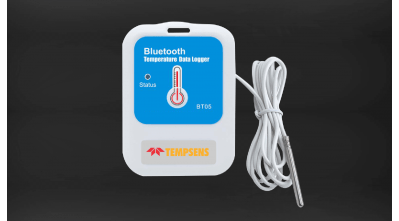
Tips To Use Thermocouple Thermometers in Extreme Environments

When it comes to measuring temperature, not all thermometers are created equal. For venturing into the fiery depths of industrial furnaces or the bone-chilling cold of cryogenic chambers, you need a tool built for the extremes. This is where thermocouple thermometers come in.

Built for Tough Conditions

Thermocouple thermometers are robust temperature sensors that utilize the Seebeck effect. Imagine two dissimilar metals joined at a point. When one junction is exposed to a different temperature than the other, a tiny voltage is produced. This voltage is directly related to the temperature difference, allowing for accurate measurement.
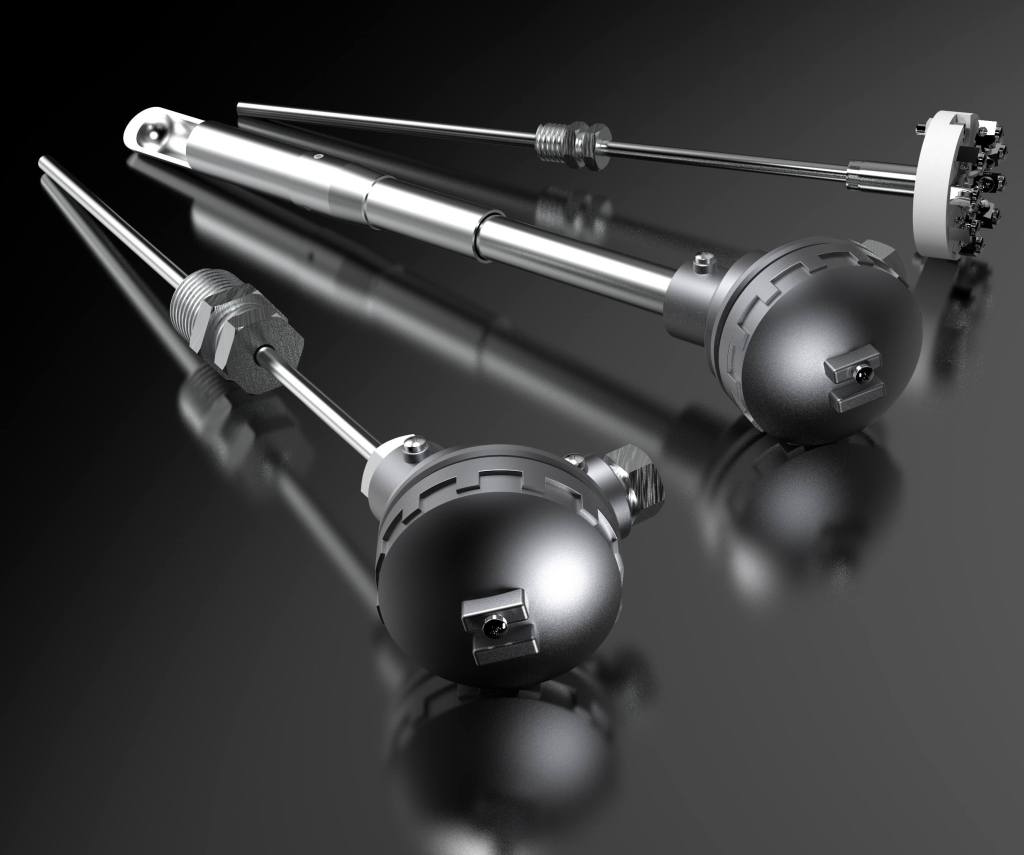
The beauty of thermocouples lies in their simplicity and resilience.  Unlike other thermometers that rely on complex mechanisms or exotic materials, thermocouples are essentially two wires. This makes them ideal for extreme environments:

  • High Temperatures: Certain thermocouple thermometer types, like Platinum-Rhodium (Type R), can withstand temperatures exceeding 2,000°C (3,632°F) – perfect for monitoring furnaces, kilns, and reactors.
  • Low Temperatures: Thermocouples like Type K (Chromel-Alumel) can dip down to cryogenic temperatures near -200°C (-328°F), making them valuable for research labs and industrial freezers.
  • Harsh Environments: The all-metal construction of thermocouples makes them resistant to shock, vibration, and even some corrosive elements.

Beyond the Basics

While inherently tough, using thermocouples in extreme environments requires some additional considerations:

  • Sheathing: The thermocouple wires themselves are often quite thin and delicate. To protect them in harsh environments, they are encased in a sheath made from a suitable material like metal or ceramic. Sheath selection depends on factors like temperature range, chemical compatibility, and mechanical strength.
  • Reference Junction: Remember, thermocouple thermometers measure temperature differences. To determine the actual temperature at the measuring point, you need a reference point with a stable, known temperature. This is usually achieved with a special reference junction box.
  • Calibration: Like any measuring tool, thermocouple thermometers require periodic calibration to ensure accuracy. This is especially important when operating at temperature extremes.

The Right Tool for the Job

Thermocouple thermometers aren’t just for the fringes of science and industry. They are a valuable tool in various applications:

  • Power Generation: Monitoring turbine exhaust temperatures in power plants.
  • Metalworking: Ensuring precise temperatures during welding, forging, and heat treatment.
  • Food Processing: Maintaining consistent temperatures in ovens, freezers, and sterilization chambers.
  • Automotive Industry: Testing engine performance and monitoring emissions control systems.

With their versatility and durability, thermocouple thermometers are the go-to choice for taking temperature measurements to the extreme. To equip these, head online at Tempsens and get exposed to premium quality materials in the best price.

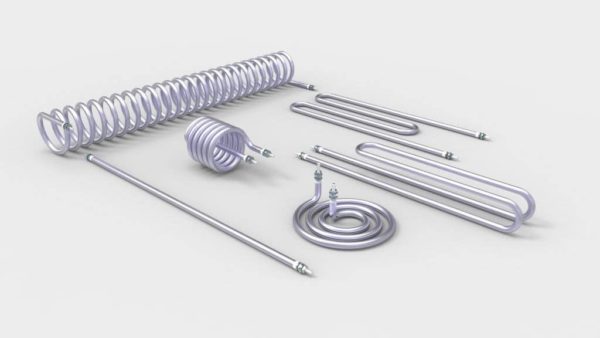
How to Maximize Energy Efficiency with Tube Heater: A Step-by-Step Guide

Introduction

In today’s world, where energy conservation is more important than ever, heating solutions have a crucial role to play. One such solution is the tube heater, which not only provides efficient heating but can also be energy-saving when used wisely. But how do you maximize energy efficiency with a heater? Let’s delve into a step-by-step guide.

Step 1: Choose the Right Model

Capacity Matters

The first step is selecting a tube heater model that suits the area you wish to heat. If your space is large, opting for a high-capacity model will ensure better energy utilization. Conversely, for a smaller space, a lower-capacity heater will suffice.

Step 2: Optimal Placement

Location, Location, Location

The effectiveness of your tube heater can be significantly impacted by where it is placed. Ideally, the heater should be installed in a location where the air circulates well. Poor placement can result in energy wastage, as the heater will have to work harder to maintain the desired temperature.

Step 3: Proper Insulation

Seal the Deal

Another crucial factor in maximizing energy efficiency is ensuring that your space is well-insulated. Poor insulation can cause heat to escape, making your heater work overtime and thereby consuming more energy. Invest in good-quality insulation materials to keep the heat in and the cold out.

Step 4: Thermostat Settings

Control is Key

A programmable thermostat can be a game-changer in your quest for energy efficiency. Set your heater to turn on shortly before you enter the space and to turn off when you leave. This eliminates the need for the heater to operate continuously, thus saving energy.

Step 5: Regular Maintenance

A Stitch in Time

Keeping your heater well-maintained can go a long way in ensuring energy efficiency. Clean the tubes regularly to remove dust and debris, as this can restrict airflow and force the heater to use more energy. A well-maintained heater will operate at optimal efficiency, thus consuming less power.

Conclusion

A tube heater is an effective and potentially energy-efficient heating solution. However, maximizing its energy efficiency requires some thoughtful steps. From choosing the right model and placing it optimally to ensuring proper insulation and maintaining it well, these steps can help you get the most out of your heater while also being mindful of energy conservation.

By following this step-by-step guide, you can not only stay warm but also contribute to a more sustainable future.

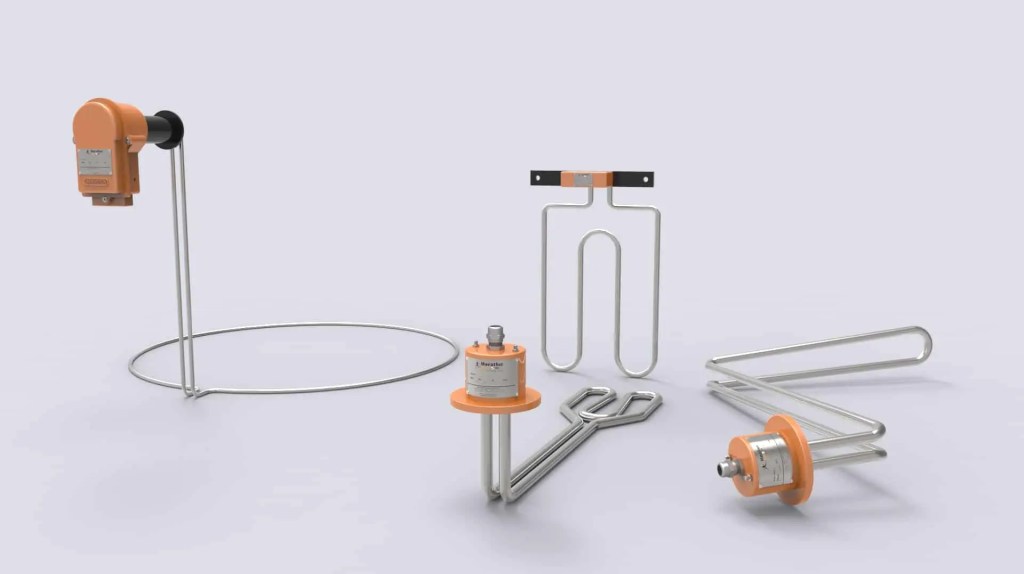
A Comprehensive Guide to Over the Side Tank Heaters: Elevate Your Industrial Processes

Introduction

In the bustling realm of industrial heating solutions, over the side tank heaters are gaining prominence for their versatility and efficiency. They are becoming the go-to option for businesses looking to optimize temperature control in a myriad of applications. But what makes them stand out? Let’s discuss the features, benefits, and applications to help you make an informed decision.

What are Over the Side Tank Heaters?

Over the side tank heaters are innovative devices designed to heat liquids in a storage tank. Unlike traditional immersion heaters, they are installed over the side of the tank, thus freeing up space and offering easier maintenance.

How do they Work?

The over the side tank heaters use either electrical elements or exchangers to heat the liquid directly. They can be easily removed for cleaning or inspection, making them a convenient choice for industries that require frequent maintenance.

Key Features

  • Ease of Installation: Installed from the top or the side, requiring no extra fittings.
  • High Efficiency: Rapid heat transfer ensures quick heating.
  • Low Maintenance: Designed for easy removal and cleaning.
  • Versatility: Usable in various types of tanks and with different kinds of liquids.

Benefits 

  • Space-saving: Their design allows for more room within the tank.
  • Cost-effective: Lower operational costs compared to traditional heaters.
  • Improved Safety: Built-in safety features such as thermostats and auto shut-off.
  • Energy-efficient: Designed to minimise heat loss, thus saving energy.

Applications and Industries

  • Chemical Processing: For heating chemicals that require precise temperature control.
  • Oil & Gas: Used in the pre-heating of crude oil.
  • Food & Beverage: For warming edible oils and syrups.
  • Water Treatment Plants: For heating water before treatment.

Choosing the Right Over-the-Side Tank Heater

Before making a purchase, consider the following:

  • Material Compatibility: Ensure the heater material is compatible with the liquid to be heated.
  • Heating Requirements: Evaluate your specific heating needs for temperature and speed.
  • Budget Constraints: High-quality heaters may come at a premium but offer long-term savings.

Conclusion

Over the side tank heaters are transforming the industrial heating landscape, offering unmatched efficiency and adaptability that is hard to find in traditional systems. Ideal for a variety of sectors including chemical processing, oil and gas extraction, as well as food and beverage manufacturing, these innovative heaters can be an invaluable asset to enhance your operational efficiency. Prior to making an investment, it’s crucial to weigh a number of considerations, such as the compatibility of materials, specific heating requirements, and your allocated budget. By doing so, you can ensure that you select an over-the-side tank heater that is perfectly tailored to meet the unique demands of your business operations.

Impact of Climate Change on Temperature Sensor Design

Introduction

In an era where climate change is not just a buzzword but a looming reality, the significance of accurate temperature monitoring cannot be overstated. The changing climate presents new challenges and opportunities for the development of temperature sensors. Let’s explore how the shifting climate landscape impacts the design and utility of temperature sensors, thereby affecting various industries and our daily lives.

The Growing Need for Precision

Climate change is resulting in extreme temperature variations and unpredictable weather patterns. The margin for error is reducing, demanding the sensors to be more accurate than ever. Designers are now focusing on creating sensors that can function optimally in extreme conditions, ranging from searing heatwaves to icy cold snaps while providing precise readings.

Durability & Longevity

With an increasing number of natural disasters like wildfires and hurricanes, the durability of these sensors is a growing concern. Modern sensors are designed with materials that can withstand harsh environmental conditions and continue to deliver accurate data, even when exposed to elements like excessive heat, moisture, or corrosive substances.

Adaptability

Climate change affects different regions in unique ways. A one-size-fits-all approach is increasingly inadequate for temperature sensor design. As a result, customizable sensors that can be adapted to specific environmental conditions are gaining traction. Advanced computational models that take into account the local climate are now integral to the design process.

IoT and Real-Time Monitoring

The urgency of climate change has accelerated the need for real-time data collection. Internet of Things (IoT)-enabled sensors that can offer immediate feedback are becoming indispensable. These sensors are not just smart but are often paired with AI algorithms to predict future temperature patterns based on current and historical data.

Energy Efficiency

As the world strives to reduce its carbon footprint, energy-efficient designs are becoming more crucial. New sensors are being designed to consume less power without compromising their performance, thus aligning with global sustainability goals.

Applications in Renewable Energy

The rise of renewable energy as a response to climate change is creating new requirements for temperature sensors. Whether it’s monitoring the efficiency of solar panels or ensuring that wind turbines operate safely, these sensors are evolving to meet the unique demands of renewable energy applications.

Challenges and Opportunities

While climate change poses numerous challenges, it also opens doors for innovation. The need for high-performance, adaptable, and durable temperature sensors has never been greater. This demand is driving research and development, paving the way for technological advancements that might have taken years to come to fruition otherwise.

Conclusion

Climate change is reshaping the landscape of temperature sensors design in several ways, from the need for precision and durability to adaptability and real-time monitoring capabilities. As designers rise to meet these new challenges, we can expect to see groundbreaking solutions that will not only address our immediate needs but also contribute to the broader fight against climate change.

Marathon Heat: Leading the Way in Cartridge Heater Manufacturing

In the ever-evolving world of industrial heating, one name stands out for its consistent commitment to excellence and innovation: Marathon Heat. This industry titan has managed to keep its stronghold in the market, thanks to their excellent cartridge heaters. For industries that rely on high-performance heating systems, cartridge heaters are an indispensable component. These small yet powerful devices provide localised and precision heating in various applications, spanning from manufacturing to packaging. In the cartridge heater manufacturing industry, one brand that consistently stands out is Marathon Heat.

Why Cartridge Heaters are essential?

Cartridge heaters are a vital component in industrial operations. They help heat up a plethora of equipment including:

  • Injection moulding machines
  • Die blocks
  • Packaging machinery

Given their significance, selecting the right cartridge heater manufacturer is of utmost importance. That’s where Marathon Heat enters the picture.

Understanding Cartridge Heaters

Cartridge heaters are small, cylindrical heating elements primarily used in industrial applications to heat:

  • Platen presses
  • Autoclave sterilizers
  • Food processing equipment

The Role of Cartridge Heaters

Cartridge heaters play an essential role in industries such as:

  • Plastic processing
  • Packaging
  • Engineering

With these industries requiring varying specifications, it’s vital to opt for a manufacturer with a wide range of options, like Marathon Heat.

Quality Assurance with Marathon Heat

Marathon Heat has established a reputation for quality in the industry. Here’s why:

Stringent Quality Checks: Marathon Heat ensures every product that leaves its factory is of top quality. Rigorous testing protocols are in place to guarantee this.

Highly Efficient Heaters: Marathon Heat cartridge heaters are designed to provide high watt density, ensuring superior heat transfer and longevity.

Wide Range of Options: Marathon Heat offers an extensive variety of cartridge heaters to meet varied needs. From low-density heaters for light applications to high-density ones for intense operations, they have it all.

In the world of cartridge heaters, Marathon Heat remains a trusted manufacturer. Their dedication to quality, innovation, and efficiency sets them apart, making them a preferred choice for industries worldwide.

Questions to ask about the resistance temperature detector:

In most applications, the temperature is a parameter that requires constant observation. This is so because a particular application’s operation is temperature-dependent. In order to ensure that the ideal temperature is always maintained, monitoring is crucial. Buy a high-quality RTD for this specific function from a resistance temperature detector manufacturer. As the temperature changes, the resistance value of the metal wire resistor that makes up the RTD’s functional element changes. Temperature changes may be precisely computed based on the difference in the wire’s resistance because the metal wire’s resistance is a known constant.

Are RTDs applicable to all applications?

No. Only temperatures up to roughly 900-1000°F (482-538°C) can be used with RTDs. Thus, thermocouple temperature measurement devices are often used in high-temperature mining, refining, and related industries. RTDs are also not frequently utilized in applications below 200°F (93°C), as bimetal or expansion thermometers are more cost-effective and can perform the same function.

Do RTDs have a place in HVAC applications?

Yes, it has been placed in HVAC applications. The ambient air temperature is measured with the RTD for HVAC. These sturdy, adaptable instruments can be used indoors and outdoors in humid or dry situations. In order to measure the temperature in air-conditioned spaces, cold storage spaces, warehouses, and grain silos, resistance temperature detector manufacturer provide a variety of RTD series that can be utilized for specific applications.

Can RTD sensors and transmitters be combined?

Yes, both can be combined for temperature transmitters. The Model T15 and Model T53 temperature transmitters are just two RTD-sensor-based temperature transmitters. When an RTD sensor is equipped with a transmitter, the temperature readings can be examined locally and delivered to a remote control point. Resistance temperature detector manufacturer provides a special report on Pressure, Temperature, and Level Measurement for Sanitary Applications for additional details on RTDs and temperature measurement in the food and pharmaceutical industries.

Which RTD types are employed in the sanitary sector?

Several RTD kinds will satisfy the unique demands of the sanitary industries. For hygienic applications in the food, pharmaceutical, and biotech sectors, RTD transmitters are created. Due to a replaceable measuring insert, pure temperature transmitters with the model number TR22 are easy to calibrate. The stainless steel head of this ground-breaking sanitary sensor may be cleaned from any mounting position.

Summing it up:

Ensure you only purchase temperature measurement equipment from reliable suppliers, especially RTD sensors. The Transmitter Shop offers a significant selection of ready-to-ship temperature monitoring instruments and related accessories from resistance temperature detector manufacturer.

What to look for selecting the temperature transmitter?

Temperature transmitters measure and show the temperature on a monitoring screen. The integrity of process parameters is frequently improved by using these devices. Several temperature transmitter types are used in industrial applications. Many different kinds of high-performance, cost-effective, and result-focused temperature transmitters are available today. You must follow the recommendations made by professionals in the field when choosing a wireless temperature transmitter that will suit your needs. In this post, they will talk about a few things to keep in mind while selecting a temperature transmitter is given below:

Types of sensors:

Typically, thermocouple sensors are found in intelligent temperature transmitters. The type of temperature sensor is an essential factor to consider when choosing a transmitter because it is the sensor that performs the actual activity of measuring temperature. High-quality sensors are necessary because temperature changes, moisture, corrosion, contact lead degradation, etc., can affect the sensor’s performance.

Mounting location:

Look for the best wireless temperature transmitter that can mount specific locations, which is quite essential. The installation could cost less if there is no noise interference and less distance between the transmitter and the control panel. This should also be considered if the transmitter needs to be positioned overhead, outside, or at strategic in-field positions. It is important to remember that if you want to get the most out of your investment, it is essential to understand the risks involved.

Diagnostic and troubleshooting capabilities:

The smart transmitters have multiple electronic part integrations, making it challenging for the operator to identify the issue during diagnostic or troubleshooting. On the other hand, several intelligent transformers are on the market with automatic error detection, diagnostics, and troubleshooting. Due to autonomous diagnostic capabilities, the wireless temperature transmitter frequently tests the circuits and monitors the sensors. This aids in the quick identification and correction of errors.

Special functionality:

You can search for temperature transmitters with unique features to find the one that best suits your needs. One can get products specially made for their applications in this manner. The specialized features may include sensor trimming, indicative alerts, non-standard inputs, application-specific process parameters, etc.

Final thoughts:

From those mentioned above, choose the best wireless temperature transmitter to get the best performance efficiency by considering the following elements and ensuring they work with the application requirements. Additionally, you need to make a sensible choice of temperature transmitter suppliers. You must collaborate with knowledgeable, dependable vendors who can provide high-quality goods and assist you with the selection.

Common mistakes to avoid when buying the furnace

Everyone requires heating regularly. Several heating methods can perfectly serve this need. The type of heating system you choose will depend on a number of things, including your home, where you live, the amount of heat you need, and most importantly, your budget. Many consumers make mistakes when selecting a professional for a furnace repair or purchasing a new one. An electric furnace is the most inexpensive and environmentally friendly heating method. Make sure you get a high temperature furnace that is appropriate for your particular home because the type you choose may depend on your demands. Below listed are the mistakes to avoid when buying the furnace:

Avoid going to the cheapest option

Although price is important when making any purchase, there may be better options than the cheapest furnace. Consider the equipment you own as an investment. The longer the model lasts, the lower your overall energy costs because of its efficiency.

Look for a high temperature furnace that uses little energy and an inexpensive service contract. The equipment may be priced in the lower range for a number of different reasons. Before buying something, you should check the tiny print frequently to ensure no surprises. For example, there may be a short warranty period, or the item may be an older model, making it nearly impossible to acquire replacement components.

Waiting too long

Avoid the error of leaving your furnace replacement too long. These warning signs occasionally need to appear earlier. Furthermore, furnaces frequently malfunction during the winter, because they are required to functions the most. Remember that emergency installations are costly, so it is best to prepare and replace your furnace before it reaches 15 years. To buy the high temperature furnace, choose the shop which offers it at an affordable price.

Buy a furnace without thinking about replacing the entire system

Your furnace represents an urgent necessity that needs to be taken care of due to its age or condition. While you must not put this off, considering your other demands is also a good idea. Replace your air conditioner during this time of year frequently makes sense. More energy-intensive and expensive to operate are older air conditioning systems. In addition to expediting the installation process, you can also save money by installing a high temperature furnace and air conditioner simultaneously.

Final thoughts

Thus the above mentioned are the mistakes to avoid when buying the furnace. If you are looking to buy a high quality furnace for your home, avoiding these mistakes will help you to find the perfect one.

Microbiology labs: way to future 

Microbial testing has advanced in recent years, from slow and time-consuming “conventional” testing to sophisticated immune-assay methods. For instance, DNA-based treatments use more advanced polymerase chain reaction (PCR) technology and whole-genome sequencing. As technology has advanced, the cost of conducting tests has decreased, but the time it takes to acquire a response has increased. 
 

microbial product test laboratory is essential for learning about the finer points of these organisms. Alongside, it is necessary to know about the viability and efficiency of testing within these setups. It’s crucial to comprehend the selectivity and sensitivity of every microbiological test that may be employed.  

Why is it important? 

The information related to microbial actions is necessary to accept the items based on the testing results. Besides, there has been an ever-rising concern for evaluating microbial actions and test results. Since every microbe will have different actions and impacts, Microbial testing is also utilised in the environment to check hygiene procedures. It is used to determine microbial activity and responses on surfaces and equipment. 
 

A microbial product test laboratory is, without a doubt, the backbone of all medical advancements. Governments and agencies from all around the world are working to enhance the world’s clinical backbone. These laboratories are crucial in various ways, regardless of where you live or your medical condition. 

They have accomplished extraordinary feats in everything from product creation to the production of various life-saving drugs. Furthermore, clinical microbiology laboratories have seen significant changes in the recent decade due to the advent of molecular biology technologies and laboratory automation. 

So, what’s new? 

It wasn’t long ago that medical operations and research were entirely manual. We now have a faster diagnosis, increased testing consistency, and greater flexibility because of developments in microbiology. 

A mix of new technologies can be produced in a microbiological testing laboratory, research labs, and other places. We also have robot-based automated systems in several regions of the world. These methods will be necessary to properly cope with increasing risks from infectious microbes and developing illnesses. 
 

Let’s go over some of the most common scenarios in which a microbial product test laboratory may be employed for exact microbiological identification: 

Identification of microorganisms is crucial for tracing sickness outbreaks and disease transmission. 

This is equally important for healthcare, and rapid identification of bacteria, fungi, and parasites is critical for accurate and timely diagnosis and treatment. 

In the pharmaceutical industry, microorganisms constitute a danger to sterility; hence identifying bacteria correctly is typically good manufacturing practice (GMP) requirement. 
 

Isn’t it wonderful that scientists study these live beings and detect potential threats? Today, we can learn about the potential dangers posed by many living creatures thanks to microbiological investigations and attentive researchers. 

Also Read – Here Is How Jis 1902 Tests Are Conducted 

Blog at WordPress.com.

Up ↑

Design a site like this with WordPress.com
Get started