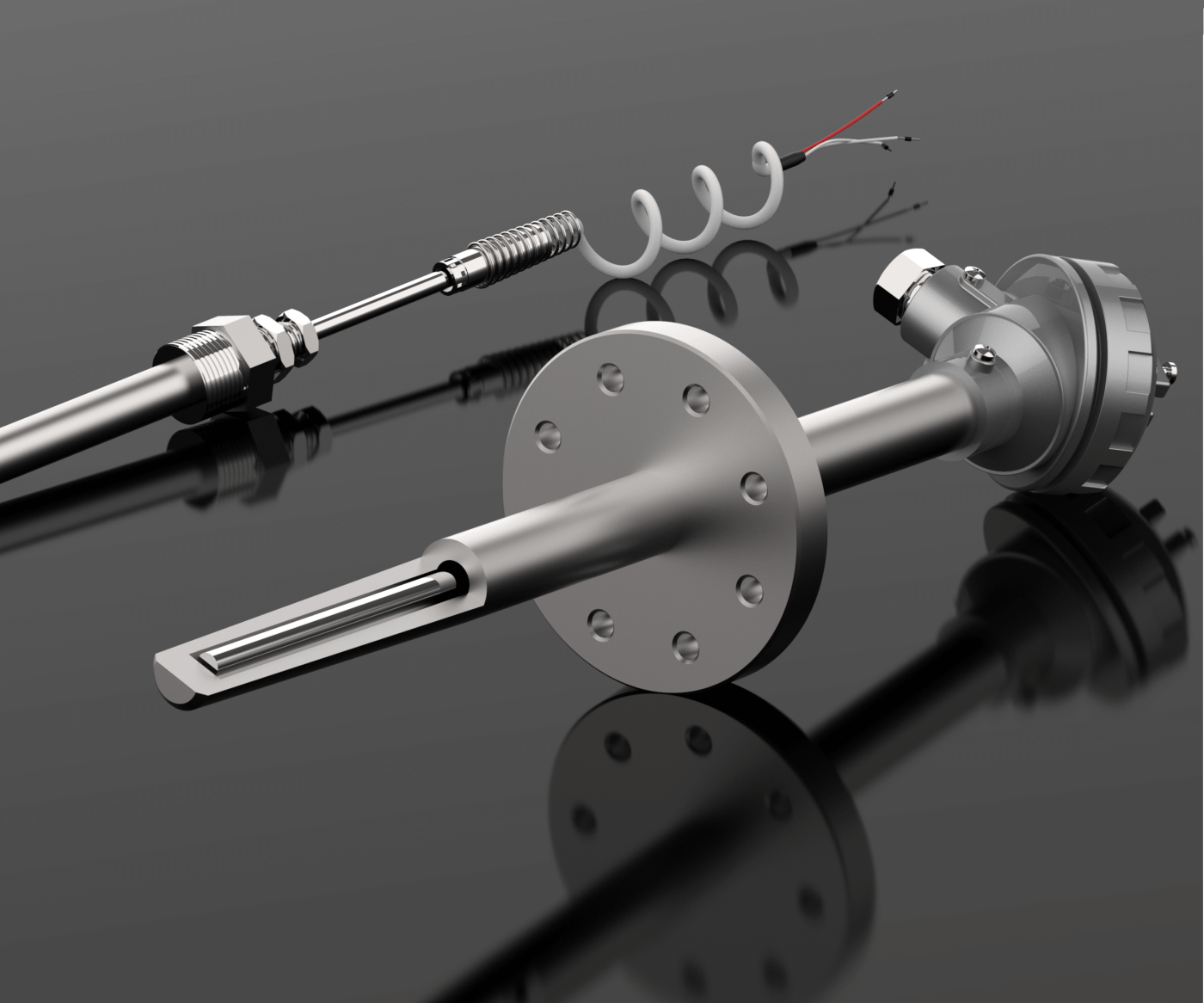
Selecting the right resistance temperature detector supplier (RTD) is crucial to ensure accurate and reliable temperature measurements in industrial processes.
Here are some key factors to consider when choosing a supplier:
1. Quality Standards and Certifications:
- Look for suppliers who adhere to strict quality control measures and possess relevant certifications such as ISO 9001.
- Quality standards ensure that the RTDs are manufactured to meet industry requirements and provide accurate temperature readings.
2. Product Range and Availability:
- Evaluate the supplier’s product portfolio to ensure they offer a wide range of RTDs suitable for your specific application and temperature range.
- Check if they have adequate stock availability and quick turnaround times for delivery.
3. Customization Capabilities:
- Consider whether the supplier can accommodate customization requests to meet your unique application requirements.
- Customization options may include probe length, sheath material, connection types, and temperature ranges.
4. Technical Support and Expertise:
- Assess the supplier’s technical support capabilities. Prompt and knowledgeable assistance is crucial for proper installation, calibration, and troubleshooting.
- Look for suppliers with experienced engineers who can provide guidance and recommendations based on your specific temperature sensing needs.
5. Long-Term Reliability and Service:
- Evaluate the supplier’s reputation and longevity in the industry. A trusted and established supplier is more likely to provide consistent quality and reliable customer service.
- Consider their after-sales support, warranty terms, and availability of spare parts for future maintenance or replacements.
6. Pricing and Cost-Effectiveness:
- Compare pricing from different suppliers, but keep in mind that quality and reliability should not be compromised for cost savings.
- Look for suppliers who offer competitive pricing without compromising on product quality and performance.
7. Industry Experience and References:
- Research the resistance temperature detector supplier’s industry experience and track record. Look for customer reviews, testimonials, or references to gauge their reputation and customer satisfaction.
8. Collaborative Partnership:
- Consider the willingness of resistance temperature detector supplier’s willingness to establish a long-term partnership and provide ongoing support.
- A supplier who understands your unique requirements and is responsive to your needs can contribute to the success of your projects.
By considering these key factors when selecting a resistance temperature detector supplier, you can make an informed decision that ensures reliable temperature measurements, product quality, and long-term support for your industrial processes.
 Oliver Grey's Blog
Leave a comment