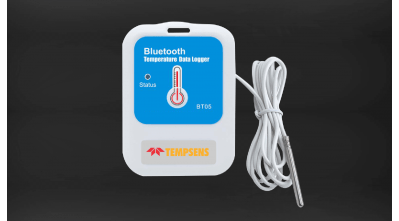
Temperature transmitters measure and show the temperature on a monitoring screen. The integrity of process parameters is frequently improved by using these devices. Several temperature transmitter types are used in industrial applications. Many different kinds of high-performance, cost-effective, and result-focused temperature transmitters are available today. You must follow the recommendations made by professionals in the field when choosing a wireless temperature transmitter that will suit your needs. In this post, they will talk about a few things to keep in mind while selecting a temperature transmitter is given below:
Types of sensors:
Typically, thermocouple sensors are found in intelligent temperature transmitters. The type of temperature sensor is an essential factor to consider when choosing a transmitter because it is the sensor that performs the actual activity of measuring temperature. High-quality sensors are necessary because temperature changes, moisture, corrosion, contact lead degradation, etc., can affect the sensor’s performance.
Mounting location:
Look for the best wireless temperature transmitter that can mount specific locations, which is quite essential. The installation could cost less if there is no noise interference and less distance between the transmitter and the control panel. This should also be considered if the transmitter needs to be positioned overhead, outside, or at strategic in-field positions. It is important to remember that if you want to get the most out of your investment, it is essential to understand the risks involved.
Diagnostic and troubleshooting capabilities:
The smart transmitters have multiple electronic part integrations, making it challenging for the operator to identify the issue during diagnostic or troubleshooting. On the other hand, several intelligent transformers are on the market with automatic error detection, diagnostics, and troubleshooting. Due to autonomous diagnostic capabilities, the wireless temperature transmitter frequently tests the circuits and monitors the sensors. This aids in the quick identification and correction of errors.
Special functionality:
You can search for temperature transmitters with unique features to find the one that best suits your needs. One can get products specially made for their applications in this manner. The specialized features may include sensor trimming, indicative alerts, non-standard inputs, application-specific process parameters, etc.
Final thoughts:
From those mentioned above, choose the best wireless temperature transmitter to get the best performance efficiency by considering the following elements and ensuring they work with the application requirements. Additionally, you need to make a sensible choice of temperature transmitter suppliers. You must collaborate with knowledgeable, dependable vendors who can provide high-quality goods and assist you with the selection.
 Oliver Grey's Blog
Leave a comment